
Resource Therapy is a “parts”-based psychotherapy modality developed by Professor Gordon Emmerson, PhD.
Reviewing the concept of “personality” from the “Parts-Personality” perspective.
Recent research in the world of psychology has found that human personality cannot only be viewed as a single existence (single-personality), but rather consists of “parts of personality”, which will eventually form a complete unity of our personality and behavior.
The Formation of Parts-personality
Humans experience growth and development by learning to respond to various external factors. Over time, this response formation process is “consolidated” as a synaptic network in our brains, represented by axons and dendrites. Whenever we are faced with a situation to respond to, our synaptic system actively responds to it, just as our internal memory is conditioned to respond to it.
This physical process of synapse formation also shapes the existence of a “psychic system” within us that functions specifically to respond to the situations we face, just as our memories are conditioned to respond to those situations. This psychic system, which operates in a “response mode,” is known as “Parts.”
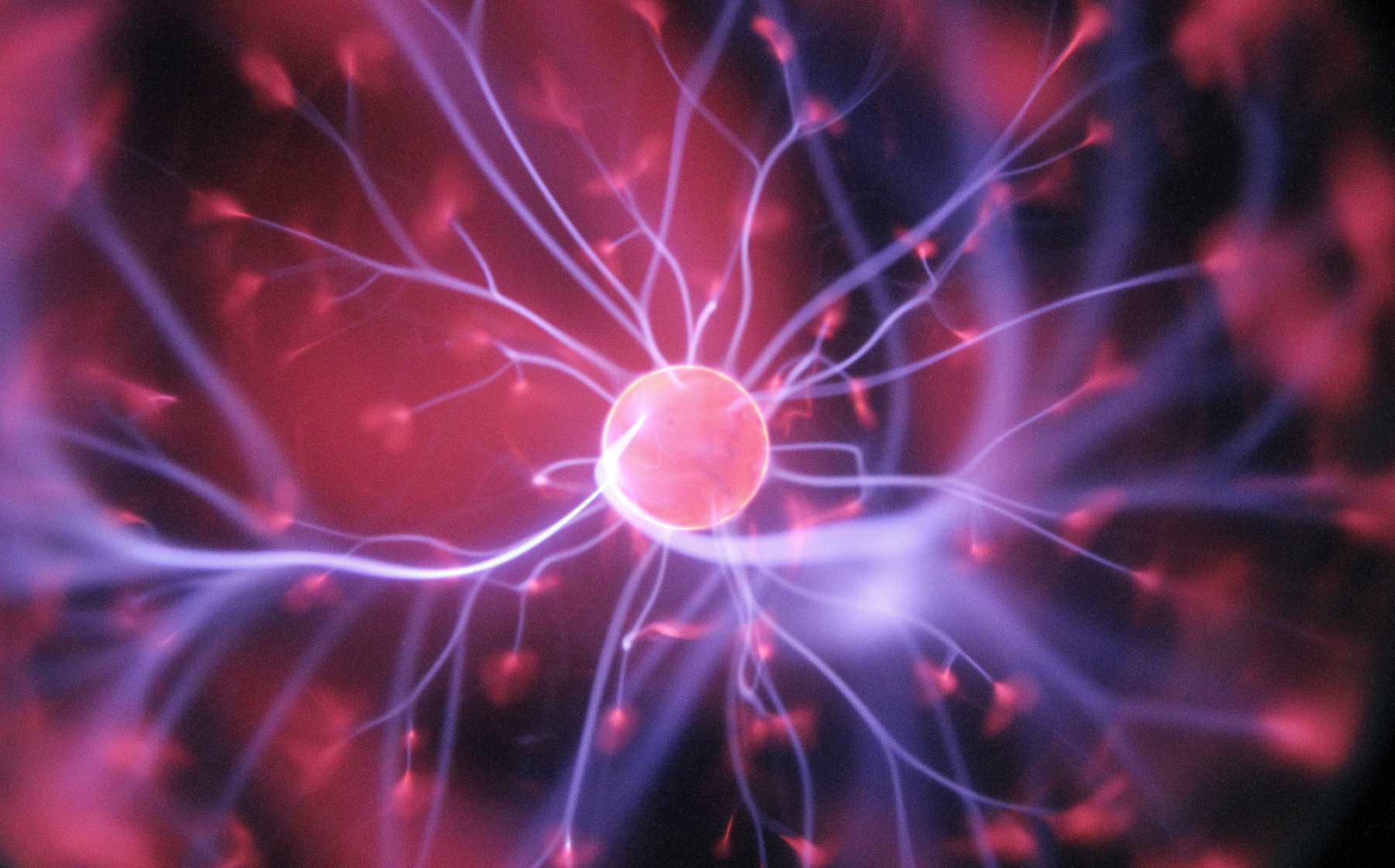
As we experience many life experiences and respond to various situations, we develop many parts within ourselves. Each part eventually has a specific role and function within us, acting as a “mode for responding to the situations we experience.”
Along with the many parts with various functions within us, a person is said to be “healthy” if the parts within him are in a healthy condition, and are active at the right time and place to respond to situations based on their functions and roles.
On the other hand, “unhealthy” parts, whether due to stress, trauma or emotional wounds, or active at the wrong time and place (not in accordance with their role and function), will be the root cause of various types of emotional, behavioral and even physical problems that a person experiences.
In Resource Therapy, healthy parts, which are active at the right time and place according to their function and role, are categorized as parts in a “normal” state.
In Resource Therapy, the problematic (pathological) condition of Parts is categorized into 4 main categories:
The aim of treatment with Resource Therapy is to “bring the pathological parts to their normal condition” by using a strategic and systematic approach, which is summarized into 4 stages of the “Resource Therapy Process” and 15 types of treatment actions called “Resource Therapy Actions”.

Since its inception, Resource Therapy has been designed as a specific modality to streamline psychotherapy sessions, enabling faster diagnosis and more strategic treatment.
Resource Therapy psychotherapy sessions explore personality dynamics by focusing directly on the “inner parts” that are at the root of a person’s problematic symptoms, allowing for faster resolution and fewer sessions.
Resource Therapy is conducted in a dialogue format where the client actively participates in the ongoing discussion. This allows us in enhancing the effectiveness of counseling sessions.
Counseling sessions using Resource Therapy enable counselors to more quickly facilitate clients in identifying the “parts” (parts) that are the source of problems in their situations and creating the necessary resolutions for those parts, enabling the client to effectively resolve their problems.
With an approach that focuses on “parts” as resources for change, Resource Therapy makes coaching sessions more effective, enabling clients to connect with their natural potential.
Resource Therapy involves a potential mapping process called “Resource State Mapping.” Using this process, individuals can more strategically map their natural potential and leverage it to increase the effectiveness of change and achievement in their current situations.


